
The Cannes Festival of Lions, and all that surrounds it, is often a blur, with tens of thousands of people, dozens and dozens of stages, and about a million crafted messages all competing to become the message that resonates and forms a hot new trend.
With the flood of attention around AI or connected TV advertising or content creators all buzzy and “new”, a focus on news or journalism can seem like yesterday’s news.
But at Cannes and in other places in the media ecosystem, new narratives are taking place around news that show it finding its place in the chaos of the broader ecosystem.
From safe to special
The discussion of news always begins at “brand safety” or concerns about appearing next to potentially controversial content that a brand views as damaging to their ability to market whichever product they are trying to sell. Estimates say that close to half of news content experiences blocks from receiving money from advertisers based on these concerns, which largely occur because they mention keywords like a politician’s name or “COVID.”
What started as brands not wanting to promote conspiracy theories and the like has now morphed into what one attendee of the Future of News breakfast in Cannes called the “secret assassination squad” of news.
There has been good research about how the alleged negative association of brands advertising on news is actually not real, though there are now efforts to change the narrative around news in a positive direction. Not only is news not unsafe, but valuable.
Work is ongoing to shape that exact message to advertisers and back it up with data, though I found it interesting that the ad agency behind the Future of News breakfast, Stagwell, also places a major emphasis on sports, with their “Sports Beach” venue in Cannes filled with celebrities from basketball, running and football.
Big brands and their agencies are very much interested in being with communities of sports fans as they go through the ups and downs of their teams’ successes and failures. One of the most common refrains at Cannes this year was “connecting to culture” such as sports and entertainment.
In terms of the timeliness of connecting to that culture, I can think of few better ways than by doing so through news. There may be a lot of chaos happening online everyday as billions of people post, like, comment and read, but news turns that into a “first draft of history” that brands can understand and interact with. News has similar communities to sports fans, but instead of following their team they are looking at the town, city, industry or other group they care about.
Disruptive technology for good
Beyond the folks at Stagwell, one of the other people pushing news back into prominence is RTL Group, the large European conglomerate that owns dozens of websites, radio and TV stations.
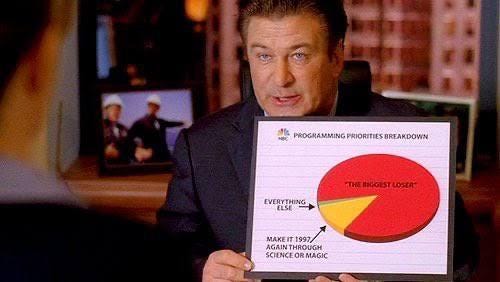
One of their main messages was that news is not only safe, but particularly safe because many RTL brands are known. In some ways, it may be tempting to view major media groups like this as nostalgic for the days when they were the biggest show in town. It reminds me of 30 Rock, when one of the programming priorities for NBC was “Make it 1997 Again through Science or Magic.”
Technology won’t eliminate all of the competitors for attention that a major group has, but it can help them solve another of their problems, which is that ad buyers don’t want to have to deal with many smaller players, and often prefer to be able to buy everything in a programmatic or platform package.
“There is overhype on AI, but we are bringing AI out of the bottle to solve real life problems which are sometimes very specific to the industry,” said Thomas Servatius, co-CEO of smartclip and leader of advertising technology at RTL.
Servatius explained that he has embedded agentic AI on the ad server, so that it can better understand requests coming in from unknown ad buyers, for example by looking at the domain that the campaign wants to direct readers to.
He also sees shifts away from the keyword-based approaches that have been problematic for news producers for so long.
“It’s a pity. We invest a lot in creating valuable news and journalistic investigations. And it’s hard to monetize, yes. There I think the industry starts to be better because we are now have developed more and better technology, technologies to pass on content signals, to standardize content signals.”
Standardizing content signals may be the next step in making sure that the value of news, having a steady, experienced finger on the pulse of culture, can translate into the nuts and bolts of the advertising system.
The signals that a brand uses for understanding one publisher can then translate into understanding of a whole market or region of the world, and for agencies that are working with multiple clients across multiple markets, help them build their own learning and best practices. This is not possible with pure LLM prompting approaches, where you can get a different answer to the question “is this good for my ad placement” depending on the time of day, and individual models remain in silos without a concrete, replicable understanding of the world.
The first draft of history connects us all
All in all the flurry and tumult of Cannes are a good reminder on the value of standardization and transparency as AI tools and offerings spin up new versions. What is behind it all, connecting it to reality?
News, including coverage of big chaotic events like Cannes, has the advantage of being grounded in the real world, reporting on what is happening and what is trending – and then interpreting it for readers who trust the author.
In a world where more and more there is a flood of content and possibilities, brands should welcome the ability not just to be on solid and safe ground, but to be able to understand the culture they are connecting to in real time.